
Dream Hackers 0: The Prologue — An Easy Way to Grow Your Audience & Repeat Business
For many of our partners, the Dream Hackers series has always been a strong driver of repeat visits. Players who complete the first chapter get hooked and want to come back for more, and that’s exactly what builds long-term revenue.
| But there has also been a clear challenge.
☠️ Chapter 1 is intense for first-time users. It delivers a great experience, but for new players, it can feel overwhelming. Over thousands of playtests, we’ve seen the same pattern:
|
 |
As a result, many locations only offer Dream Hackers to experienced VR players. This means losing a large portion of first-time visitors, players who could otherwise convert into repeat bookings and continue through the full Dream Hackers series.
Introducing Dream Hackers 0: The Prologue
To solve this, we developed 🌀 Dream Hackers 0: The Prologue — a unique entry chapter designed to introduce the series to first-time visitors, even those with little or no VR experience, and help you expand your audience.
|
This is not just a tutorial, it’s a full one-hour commercial experience that:
|
 |
Everything is presented in a clear, structured, and intuitive way. Players gradually build confidence, immerse themselves in the story, and naturally develop a desire to return and continue the Dream Hackers journey.
How We Made the Prologue Accessible for First-Time VR Players
The Prologue is not just a simplified version of the game. It is a carefully structured experience where each part introduces a specific mechanic, gradually building player confidence and understanding — not only of the game itself, but of VR as a whole.
The experience consists of 7 locations. One of them, Canals, is optional and added automatically based on player pace to ensure a consistent commercial session length of 45–60 minutes.
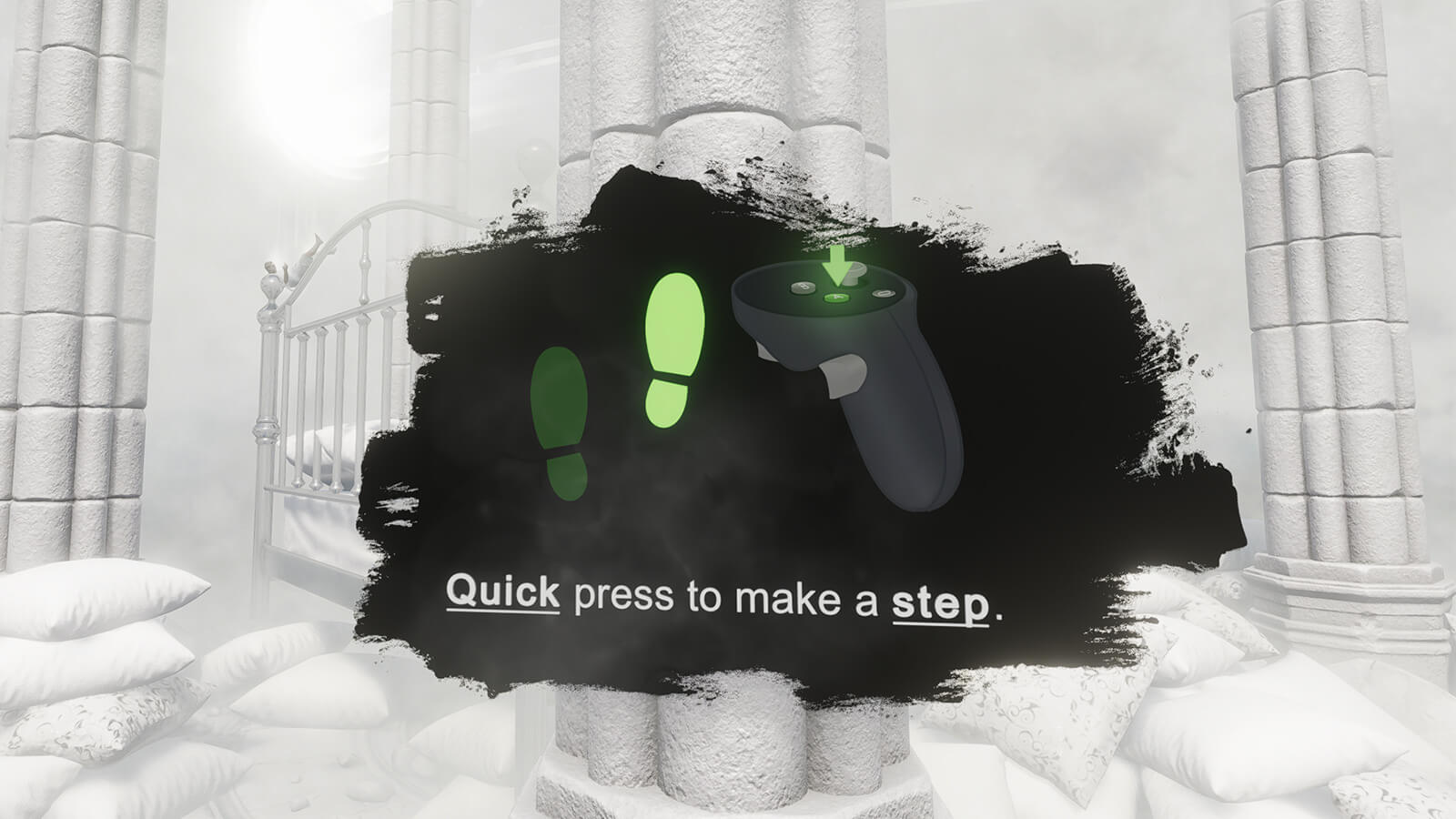
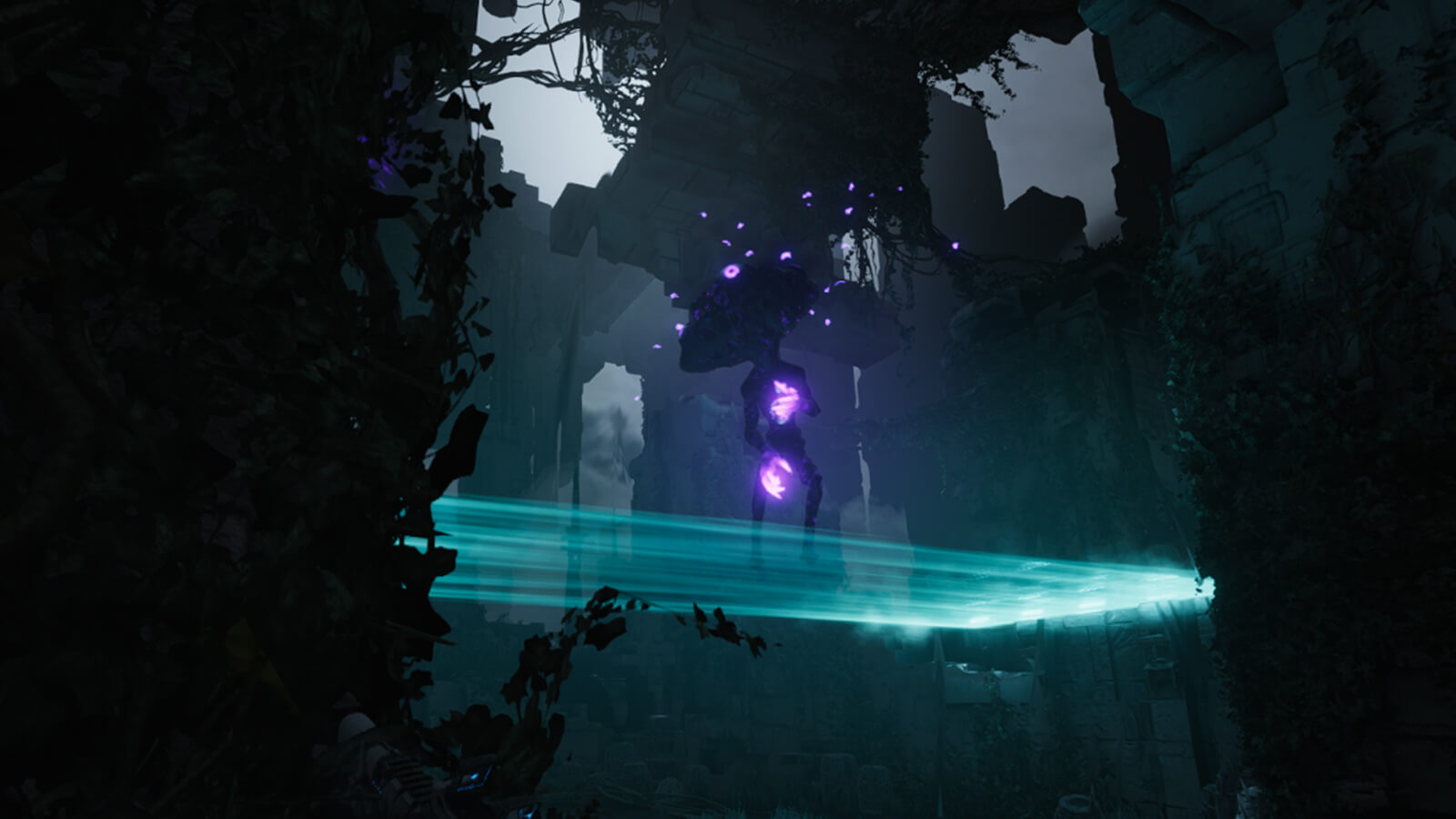
Dreamfall: Basic movementPlayers learn how to move in VR, including walking and running, building their first sense of control and spatial awareness. |
|
|
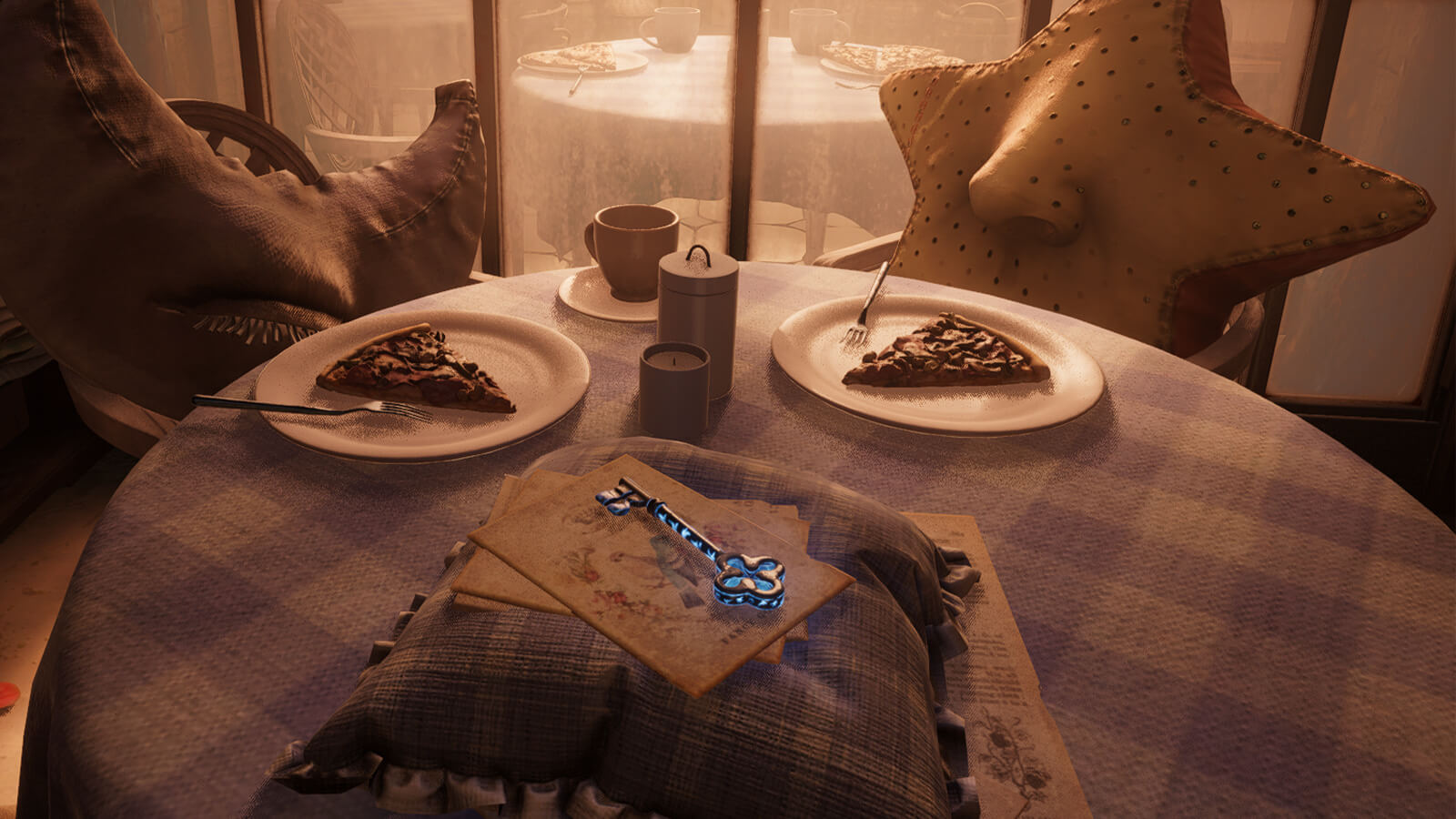
Market: Environment interactionPlayers learn to interact with objects; by playing bowling, popping balloons, breaking cups, eating pizza and cakes, feeding pillows, and climbing a ladder. Here, they also discover their first artifact and complete their first progression task (finding three keys). |
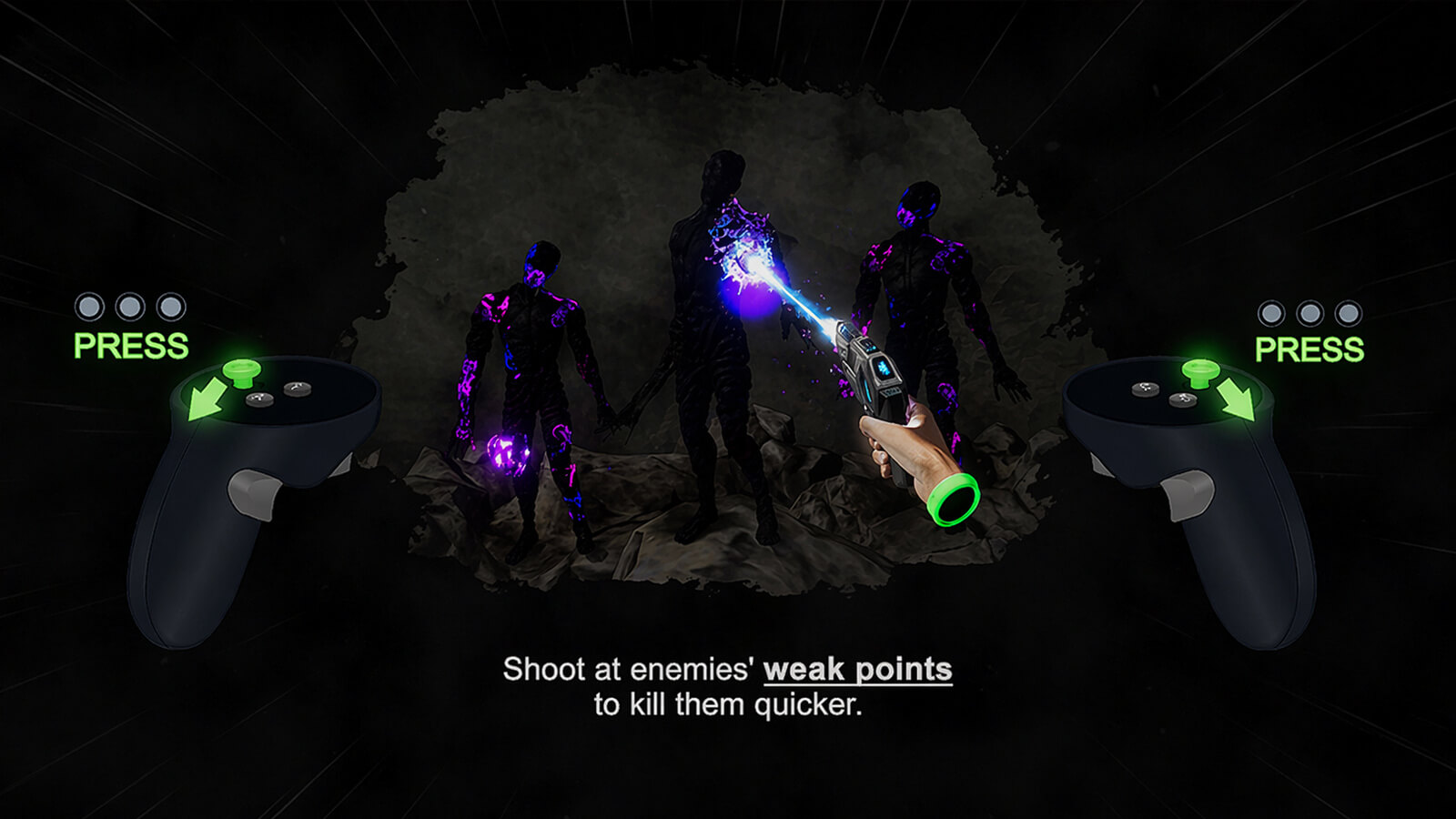
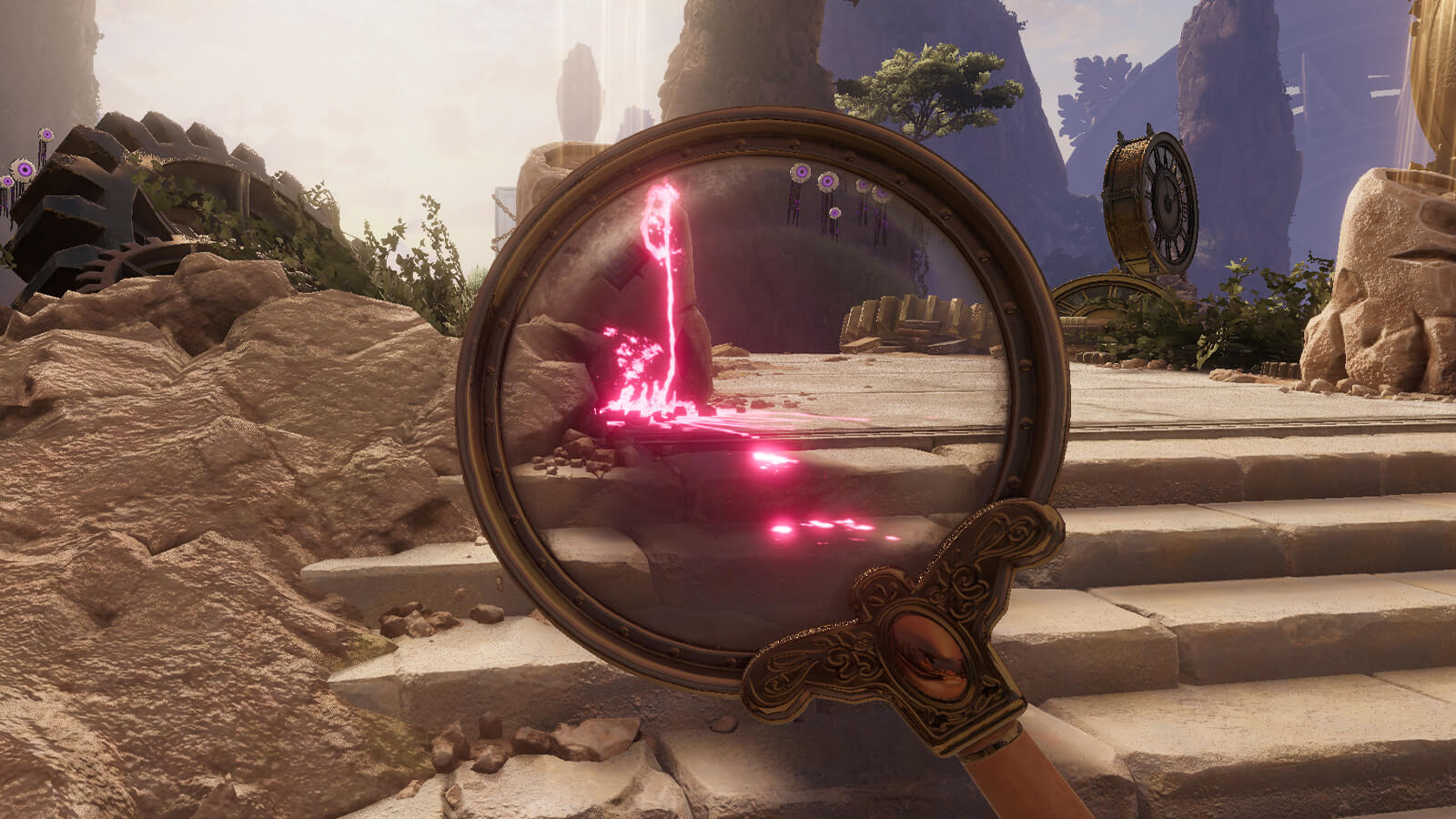
Castle: First combatPlayers learn to use weapons (shooting and quick-switching between them) while facing nightmares for the first time and learning to identify and aim at their weak points. |
|
|
Chess: Combat practice and first puzzlePlayers continue to practice combat while facing new nightmares and solve their first complex puzzle. |
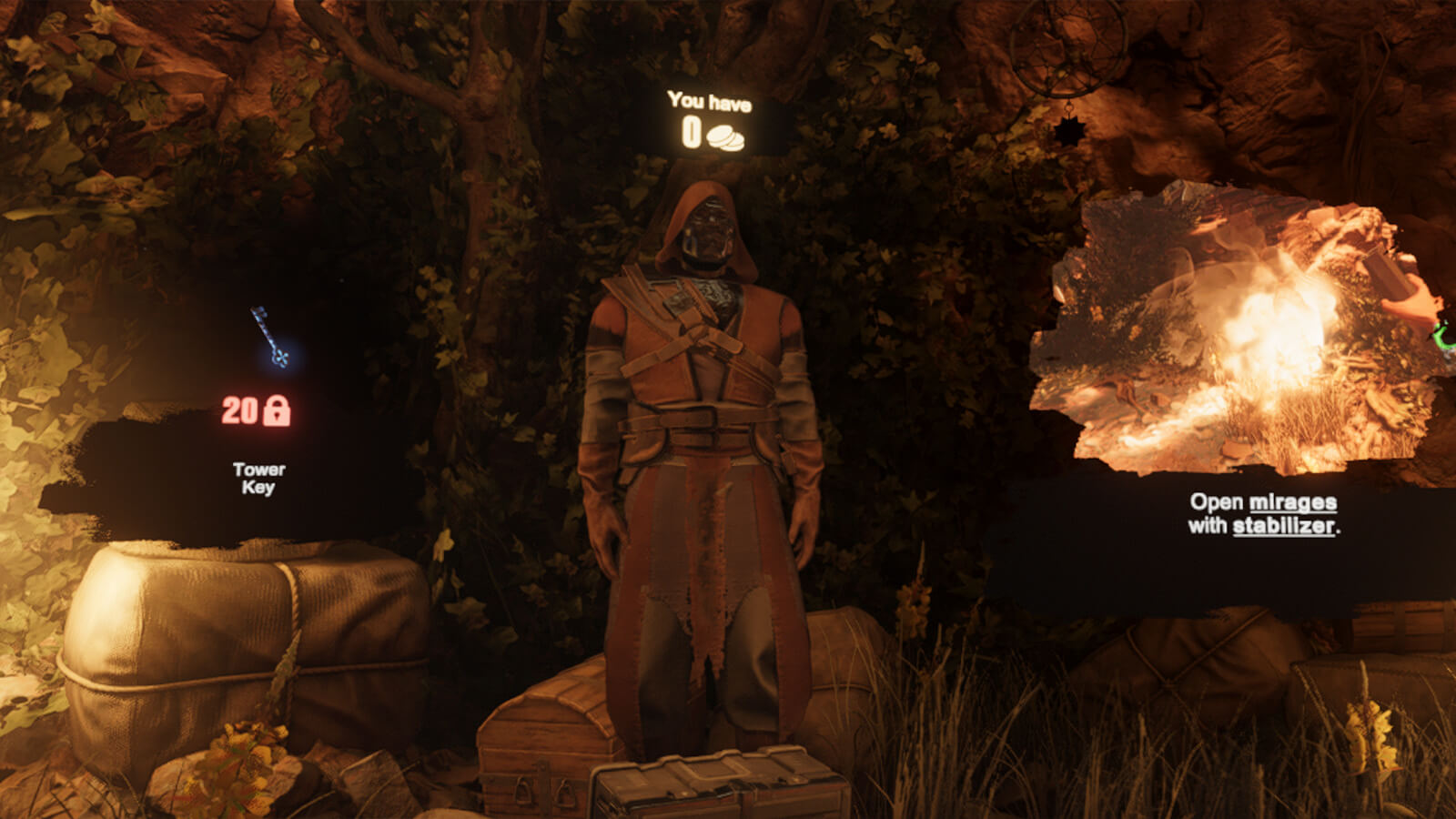
Outpost: Power-ups and strategyPlayers learn the importance of collecting coins, meet the trader for the first time, and buy power-ups (artifacts and potions). They also learn to find mirages and understand how these choices improve their effectiveness in combat and shape their strategy. |
 |
|
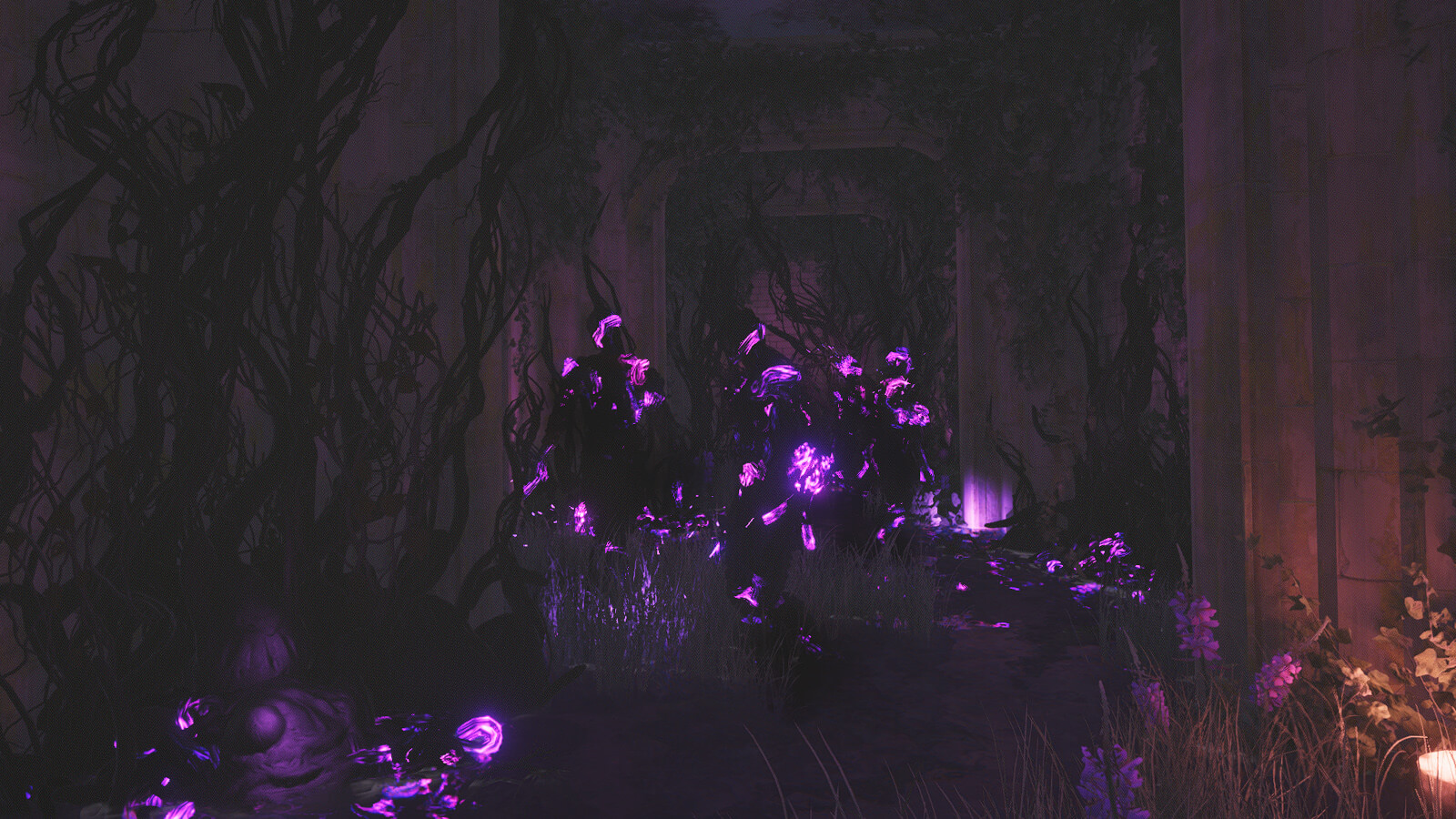
Canals (optional): Additional combat practicePlayers continue to practice combat while facing new, enhanced enemies, reinforcing their skills. |
Arena: The Boss and final challengePlayers face their first boss encounter and battle all previously introduced enemies, applying everything they have learned throughout the Prologue. |
 |
This structure allows players to learn step by step without feeling overwhelmed, while staying engaged throughout the experience. Since the first two locations don’t include combat, players have time to get used to movement and to the overall feeling of what virtual reality is.
By the end of the Prologue, they are not only comfortable in VR — they are not just familiar with the game, they are excited and ready for the next chapters.
We tested this approach in real operations, and the results confirmed its impact.
Proven in Real Operations
Before releasing it to partners, we tested the Prologue extensively in our own VR showroom, TimeShift. But we didn’t just look at general feedback. We analyzed and compared actual player sessions. Specifically, we looked at two groups:
- players who first completed Dream Hackers 0️⃣ and then moved to Chapter 1️⃣
- players who started directly with Dream Hackers Chapter 1️⃣
What we saw in practice:
|
|
Played Dream Hackers 0️⃣ → then Chapter 1️⃣ |
Started directly with Chapter 1️⃣ |
|
Understanding & Confidence |
|
|
|
Combat Behavior |
Approached combat more strategically:
|
Reacted randomly in combat |
|
Interaction with Environment |
|
Rarely engaged with core mechanics and often missed them, focusing mostly on shooting |
|
Progression |
Showed natural progression during the session, increasing difficulty; some reached “hard” mode by the end of Chapter 1 |
Finished the game on “easy” without progressing further |
What this shows is simple.
When players start with the Prologue, they don’t just perform better in the session. They approach the entire game differently: with a clearer understanding, more confident decision-making, and natural progression.
In practice, this changes how Dream Hackers runs at your location:
- sessions become easier to manage, and game masters no longer need to constantly guide the process;
- the audience expands to include first-time VR players;
- more players successfully complete the experience and become hooked on the next chapter.
All of this leads to one clear outcome:
👥 more players → ✅ more completed sessions → 🔁 more repeat bookings
Dream Hackers 0: The Prologue is not just an introduction. It is the missing step that turns first-time visitors into returning players and unlocks the full commercial potential of the series.
✍️ Authored by Bohdana Savchuk


